
Bonnie and Clyde (film)
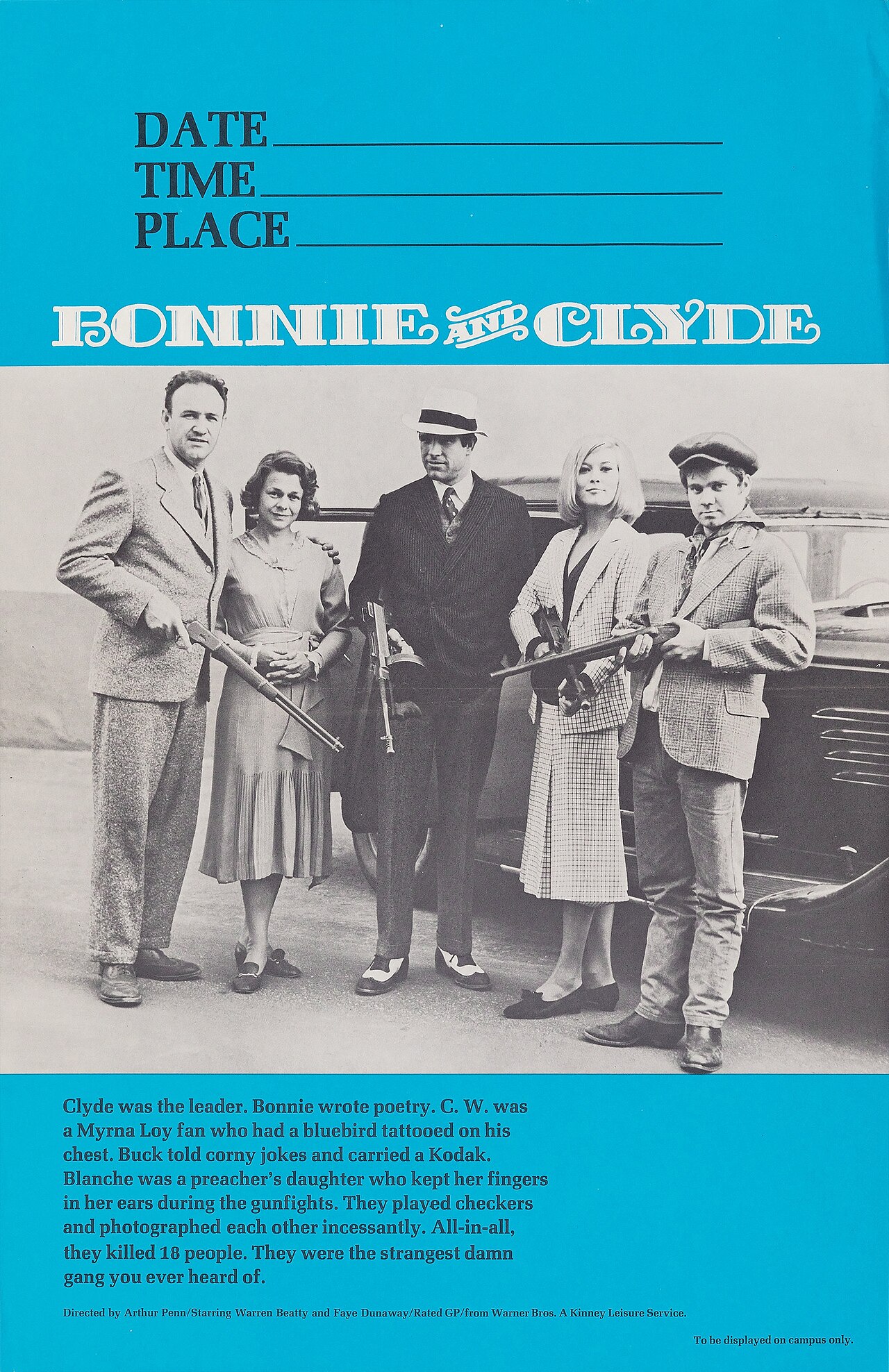
A landmark film of the New Hollywood era.

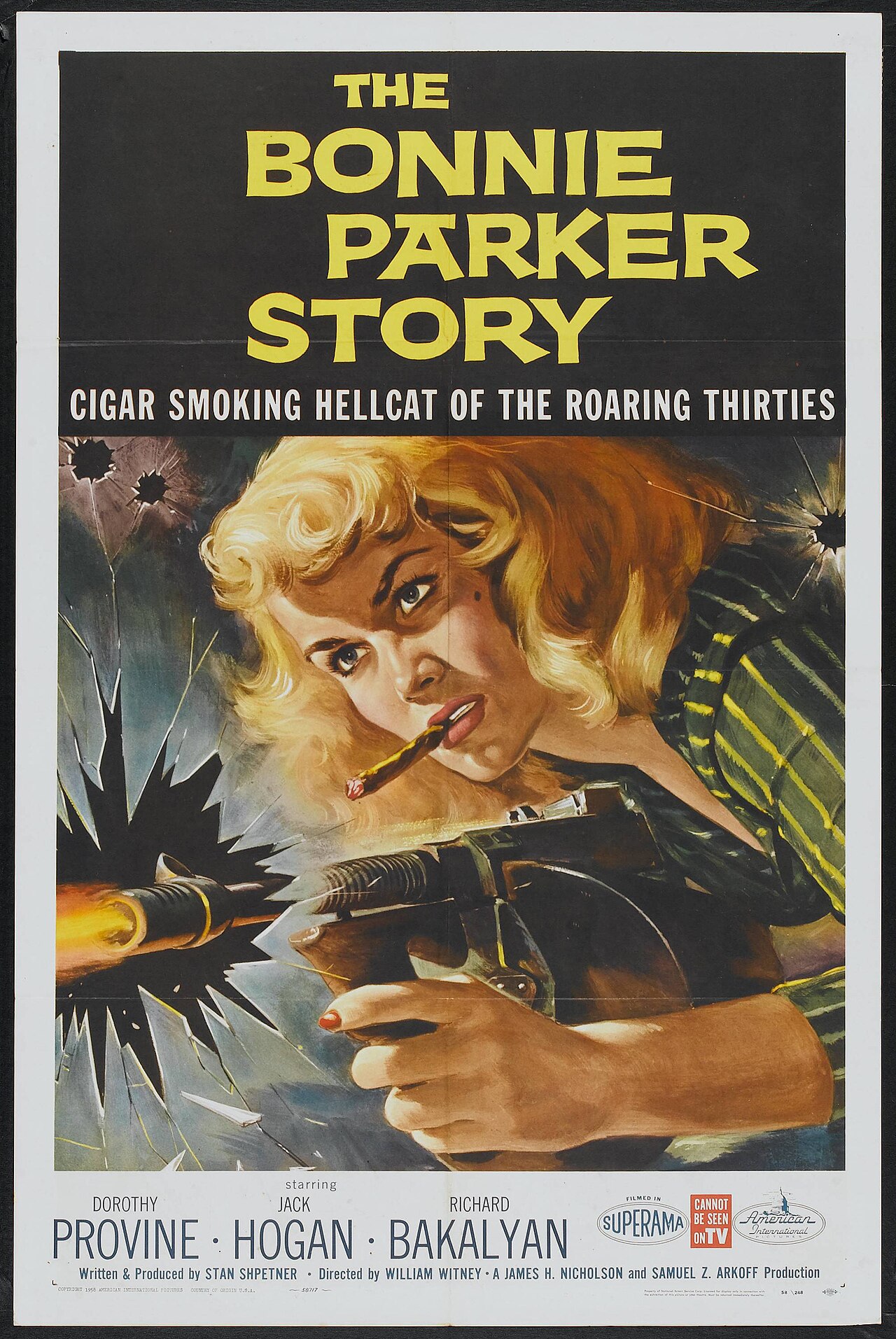
Reynold Brown · Public domain
The film is considered a turning point for American cinema and one of the first films of the New Hollywood era, breaking many cinematic taboos with its sympathetic depiction of criminals and graphic violence.
- director
- Arthur Penn
- starring
- Warren Beatty, Faye Dunaway
- genre
- Biographical crime drama
- academy_awards_won
- 2
- academy_award_nominations
- 10
Lore & Background
It was nominated for 10 Academy Awards including for Best Picture, winning Best Supporting Actress (for Estelle Parsons) and Best Cinematography (Burnett Guffey). The film's ending became famous as 'one of the bloodiest death scenes in cinematic history.'
Reader's Guide
Bonnie and Clyde is considered a landmark picture that broke many cinematic taboos, particularly in its portrayal of sex and violence. For some members of the counterculture, the film was seen as a 'rallying cry' against the establishment, both for its portrayal of a bank robbery (viewed as a form of revolution) and for its sympathetic depiction of criminals contrasted against the police. Its success prompted other filmmakers to be more open in presenting sex and violence in their films.
Did You Know?
- Gene Wilder made his film debut as Eugene Grizzard, one of Bonnie and Clyde's hostages.
- The film's ending is considered one of the bloodiest death scenes in cinematic history.
- The screenplay was written by David Newman and Robert Benton, with uncredited contributions by Warren Beatty and Robert Towne.
- The film won Academy Awards for Best Supporting Actress (Estelle Parsons) and Best Cinematography (Burnett Guffey).
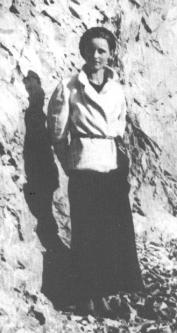
Bonnie Parker: A Life Before the Legend
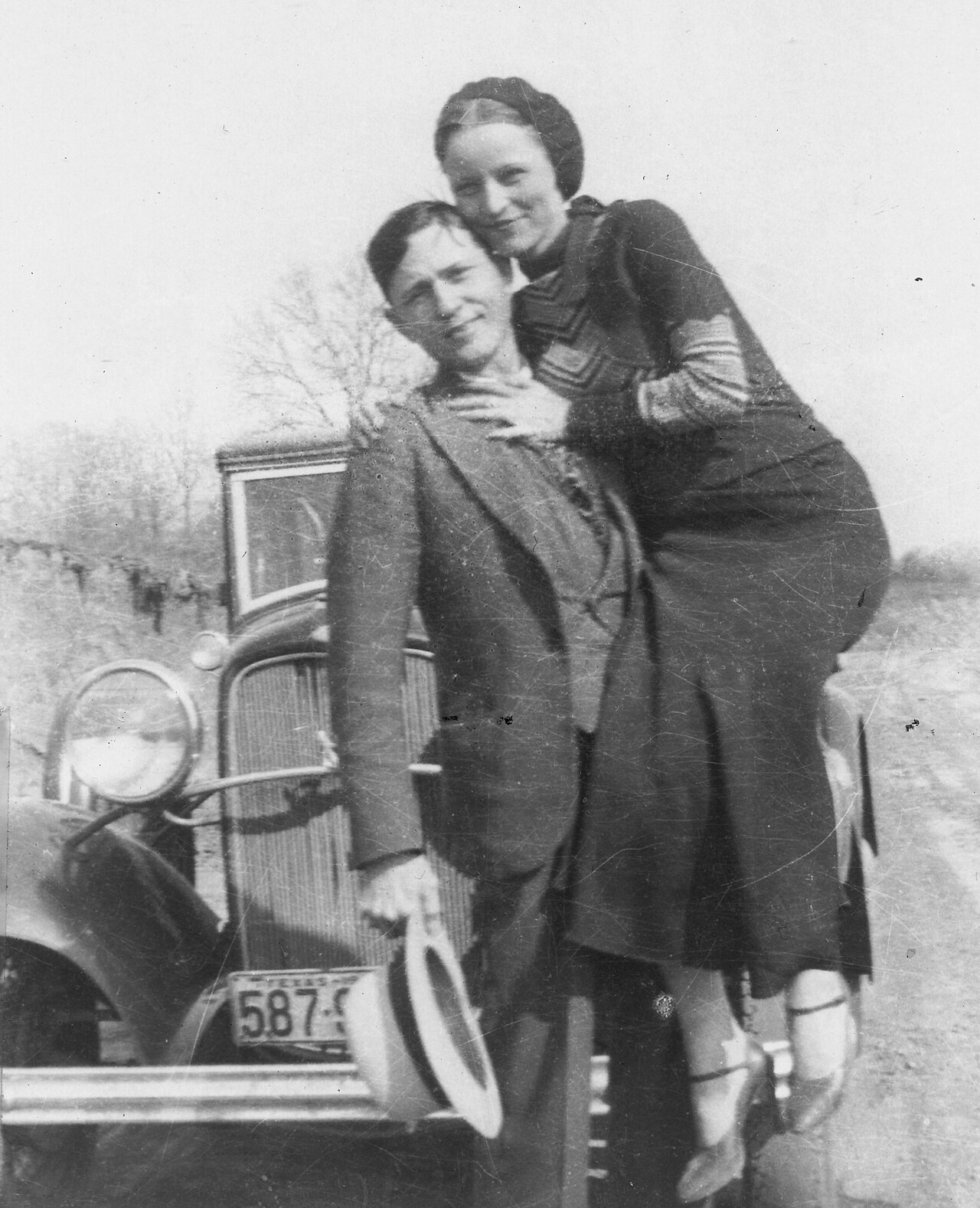
Her father, a bricklayer, died when she was four; her widowed mother Emma then moved the family to Cement City, an industrial suburb of West Dallas, where she worked as a seamstress. Bonnie was a bright, attention-loving child who dreamed of acting. Parker returned to her mother's home and worked as a Dallas waitress. When Bonnie was killed, she still wore the wedding ring Thornton had given her.
Clyde Barrow: From Farm Boy to Rattlesnake
He held some legitimate jobs in the late 1920s but also cracked safes and stole cars. Arrested in Henrietta, Texas, for a stolen vehicle and two burglaries, he received a two-year sentence. Recaptured a week later, his sentence grew to fourteen years. At Eastham Prison Farm he was sexually assaulted and retaliated by killing his tormentor Ed Crowder with a pipe—his first murder. His sister Marie said he "wasn't the same person when he got out," and fellow inmate Ralph Fults watched him "change from a school boy to a rattlesnake."
The Public Enemy Era and a Highway Ambush
Though they became most infamous for their bank robberies and multiple killings, the couple reportedly preferred targeting small stores and rural gas stations. They are believed to have murdered at least nine police officers and three civilians. Both were killed in the shootout. The irony of their final days was not lost on history: one of Bonnie's former regular customers at her Dallas waitress job, Ted Hinton, had joined the Dallas County Sheriff's Department and was part of the very posse that gunned them down.
Silver Screen and Beyond: The Cinematic Legacy
The movie revived public interest in the outlaw couple and wrapped their story in a romantic aura that reshaped how audiences remembered them, transforming two Depression-era criminals into larger-than-life cultural icons. Together, these two adaptations bookend the evolving cultural conversation around Bonnie and Clyde: the Penn film romanticized and mythologized the pair, while The Highwaymen attempted to center the law enforcement figures who tracked them down. The real Bonnie Parker, who dreamed of acting and wrote poems, and Clyde Barrow, who went from a rural farm boy to a hardened criminal, found an afterlife on screen that was both more glamorous and more distant from the grim realities of their brief, violent lives.
Gallery
More in Notable Films 1-21
Spotted an error? Know more?
This is a living reference — every entry is fact-audited, and reader corrections feed straight into our audit queue. Suggest an edit · See this site's audit record